
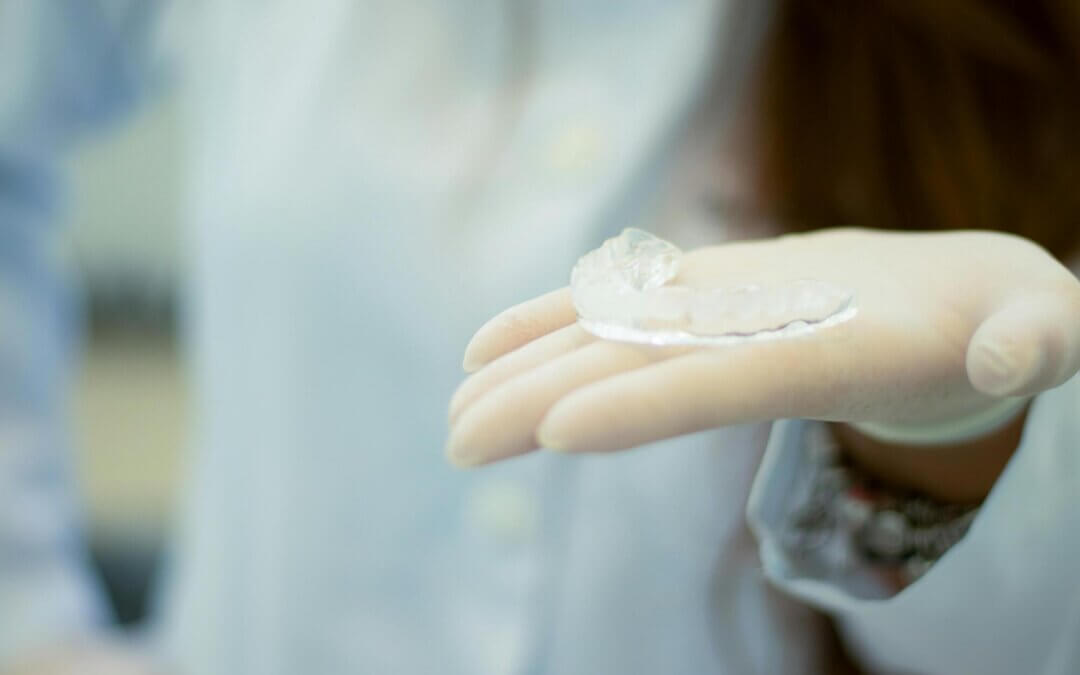
Your Invisalign diet starts with two simple rules. Always remove your aligners before eating and clean your teeth before putting them back in.
A 2024 study published in BMC Oral Health reported that clear aligners may increase the risk of cavities at the microbial level if oral hygiene is not maintained. In other words, how you care for your teeth while wearing aligners directly impacts your oral health and outcome.
Looking for an Invisalign dietary guide you can trust? Knowing foods to avoid with Invisalign is essential for ensuring results.
What Is Invisalign?
Invisalign is a clear aligner system designed to gradually move teeth into better alignment. There are no wires or brackets, which means less irritation with more freedom and comfort overall.
Each patient receives a series of custom-made trays that fit snugly over their teeth. Every one to two weeks, the patient switches to a new set of aligners, each slightly adjusted to continue the movement.
What Is an Invisalign Diet and Why Does It Matter?
You might be wondering why information about an Invisalign diet matters at all if you can simply remove your aligners before eating. Many patients find this confusing at first.
The key point is this: Invisalign does not limit what you can eat, but it does require you to be more intentional about when you eat and how you care for your teeth afterward.
Your Aligners Are on Most of the Day
Invisalign trays are typically worn for 20 to 22 hours a day. If you eat and then put them back in without proper cleaning, your teeth are exposed to bacteria for extended periods, increasing the risk of plaque and tooth decay.
Eating Patterns Affect Consistency
If you snack frequently, the cleaning routine becomes harder to maintain and can reduce total wear time, which may slow treatment progress.
Invisalign trays are not designed to handle chewing pressure. Eating with them can damage the aligners. Water is your only safe choice when they’re in place.
Some Foods Increase Cleaning Demands
Sticky, sugary, and acidic foods are more likely to leave residue on teeth. If they are not thoroughly cleaned before reinserting aligners, they can contribute to enamel wear over time.
What Are the Best Diet Tips for Clear Aligners?
When you start with aligners or switch to a new aligner tray, your teeth may be sensitive for a day or two. Consider soft, braces-friendly foods, such as:
- Yogurt, smoothies, and oatmeal
- Soft fruits like bananas and berries
- Cooked vegetables such as carrots or spinach
- Eggs, fish, and tender chicken
- Rice, pasta, and soups
It is generally good advice to follow a diet that supports oral health. It’ll improve your overall health as well. Be sure to include:
- Calcium-rich foods to strengthen enamel
- Protein to support tissue repair
- Fiber-rich foods to increase saliva and help clean your mouth naturally
Common Invisalign Mistakes That Slow Down Results
Even when patients follow the basic rules, small daily mistakes can still affect results. Avoiding common mistakes can prevent this.
Incorrect Aligner Care
Cleaning is key to Invisalign and oral health. You want to remove buildup without damaging the plastic or trapping bacteria. A simple, correct routine to set you up for success.
Rinse aligners each time you take them out. Brush with a soft-bristle toothbrush. Rinse well before putting them back.
Do not use hot water; it can warp the plastic and ruin the fit. Toothpaste should be avoided, since it is abrasive and can leave scratch marks.
You should not soak your aligners in mouthwash unless your dentist specifically recommends it, as some mouthwashes contain ingredients that can damage or stain the trays.
Use a dentist-approved deep cleaning solution or Invisalign cleaning crystals as needed. It is important to remember that even spotless trays will trap bacteria if your teeth remain dirty underneath them.
Wearing Aligners While Drinking “Clear” Beverages
Some people assume drinks like light herbal teas or vitamin water are safe. In reality, many of these beverages contain acids or additives that may harm enamel when trapped under aligners. Over time, this can increase sensitivity.
Delaying Aligner Changes
Switching to a new tray too early or too late can cause problems. Early changes may not allow teeth enough time to adjust, while delays can slow down progress. Most treatment plans are designed with precise timing for each set.
Ignoring Small Discomfort Signals
Mild pressure is normal, but persistent pain or uneven pressure is not. This can sometimes indicate that a tray is not fitting correctly or that teeth are shifting unexpectedly. Addressing these issues early prevents treatment delays and supports proper aftercare.
Frequently Asked Questions
What is the 30-Minute Rule for Invisalign?
This rule says to only remove your aligners for 30 minutes per meal or snack. It helps ensure that they stay in for 20-23 hours a day. It also allows your saliva to neutralize bacteria before brushing.
Can Invisalign Cause Bad Breath?
Yes. Bacteria and food residue can build up on teeth or aligners if cleaning is inconsistent. This can lead to odor over time.
Does Invisalign Make Eating Out More Complicated?
It can. Dining out requires removing aligners discreetly and brushing or rinsing before putting them back in.
Planning and carrying a small case for your aligners, along with water or a travel toothbrush, makes a big difference. If brushing is not possible right away, rinsing your mouth with water helps until you can clean properly.
Can I Smoke While Using Invisalign?
Smoking is not recommended during Invisalign treatment. It can stain both teeth and aligners and increase plaque buildup and gum problems due to reduced blood flow, which may affect treatment.
The Truth About Your Invisalign Diet and Eating Habits
An Invisalign diet is less about restricting foods and more about habits that protect your teeth and aligners throughout treatment. Removing trays before meals, cleaning thoroughly afterward, and following instructions keep progress steady.
Justice Dental was established in 1999 by Dr. Laura Justice, a nationally recognized cosmetic dentist and one of only 65 AACD Accredited Fellows worldwide. We offer general, cosmetic, restorative, and family dentistry in one place. Our team uses advanced technology to ensure comfort combined with clear treatment plans covering Invisalign, veneers, whitening, implants, and more.
Contact Lexington’s preferred cosmetic and dental implant provider for an appointment today.
Recent Comments