
You can still get dental implants with gum disease, but an active infection needs proper treatment first. The biggest challenges are bone loss, gum recession, and reduced implant stability, all of which threaten how well an implant fuses with your jaw. Many patients regain full candidacy once treatment resolves the infection and their gum tissue heals.
The CDC reports that some form of periodontitis is present in nearly 42% of adults aged 30 and older.
This means that a large share of people considering implants are also managing gum disease, whether they realize it or not. Understanding how the two conditions interact can help you avoid costly setbacks and protect your investment in a healthier smile.
Is It Possible to Get Dental Implants With Gum Disease?
It depends on how far the disease has progressed and how your gums respond to treatment. Dentists generally sort gum disease into stages when evaluating implant readiness. The stages include:
- Mild gingivitis
- Moderate periodontitis
- Advanced periodontitis with bone loss
Your dentist confirms your stage through a periodontal exam. They also check pocket depth, bleeding, and bone levels around your teeth. Someone with mild gingivitis may be implant-ready within weeks, while advanced periodontitis may require months of treatment and possibly bone grafting first.
Why Does Gum Disease Affect Dental Implant Success?
Dental implants rely on healthy gums and bone for support. Gum disease damages both structures as the infection progresses.
In its early stage, gum disease causes inflammation around the gums. As it progresses, the infection can destroy the bone that anchors your teeth, reducing the support needed for a dental implant. Untreated gum disease can lead to:
- Bone loss
- Gum recession
- Tooth mobility
- Chronic inflammation
These conditions reduce implant stability and interfere with healing after surgery. Your body must form a strong connection between the implant and surrounding bone, a process called osseointegration. Active infection can disrupt that process before it fully completes.
Treatments Needed to Resolve Gum Disease Before Implants
Gum disease treatment focuses on eliminating infection and restoring healthy tissue before implant placement is considered. Your dentist may recommend:
- Professional deep cleaning
- Scaling and root planing
- Antibiotic therapy
- Periodontal maintenance visits
Deep cleaning removes plaque and bacteria below the gumline. This allows inflamed tissue to heal and slows the progression of periodontal disease. Once your gums respond well to this phase of care, your dentist can begin evaluating whether your jawbone and tissue are ready for surgical planning.
How Dentists Can Determine Your Full Implant Candidacy
Your dentist considers several additional factors before confirming that you’re ready for implant surgery. The full evaluation typically includes:
- Jawbone volume and density
- Bite alignment
- Overall medical history
- Smoking status
- Diagnostic imaging results
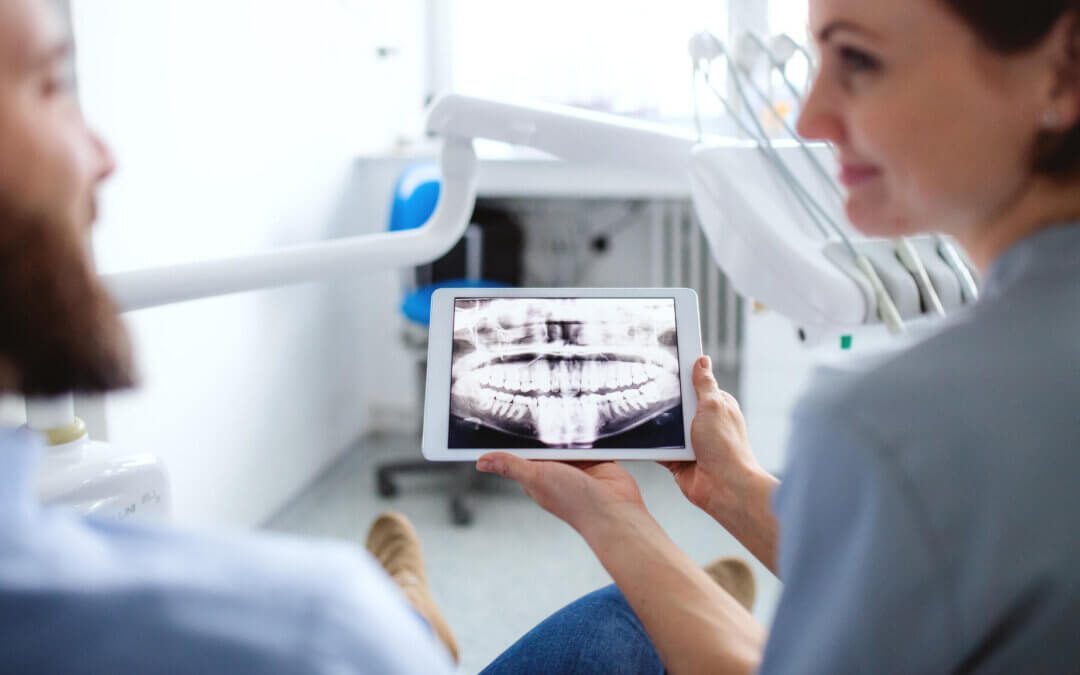
Digital X-rays or 3D scans allow your dentist to evaluate bone quality and identify any areas still affected by past periodontal damage. This broader look at implant candidacy is why two patients with similar gum disease histories can end up on very different treatment timelines. At Justice Dental, our advanced imaging technology provides our team with the precision needed to build a candidacy assessment as unique as your smile.
How to Protect Your Dental Implants After Treatment
Successful treatment does not end once your implant is placed. Long-term success depends on maintaining healthy gums and controlling plaque buildup around the implant site. Key oral health tips worth building into your daily routine include:
- Brush twice daily around the implant site
- Floss daily, using tools designed for implants if needed
- Keep up with routine dental visits
- Avoid tobacco products
These habits reduce your risk of peri-implant disease, which is an inflammatory condition that affects the tissue surrounding an implant. Combined with regular professional cleanings, they give your dentist the chance to catch early signs of inflammation before they become bigger problems.
Dental Surgery Options Available If You Have Gum Disease
Once infection is under control, some patients still need structural procedures to rebuild a stable foundation before or during implant placement. These dental surgery options address damage that nonsurgical treatment alone cannot reverse. Depending on your evaluation, your dentist may recommend:
- Bone grafting
- Soft tissue grafting
- Extraction of unsalvageable teeth
- Dental implant placement
Bone grafting rebuilds areas where periodontal disease has decreased bone volume. Soft tissue grafting improves gum coverage where recession has occurred. Your dentist selects the right combination of procedures based on your specific clinical findings, not a one-size-fits-all protocol.
Frequently Asked Questions
Can Gum Disease Return After Getting Dental Implants?
Dental implants are not vulnerable to cavities, but plaque accumulation around the implant can cause the nearby gum tissue to become infected. Consistent brushing, flossing, and professional cleanings can help keep the plaque from triggering a new infection around your implant. Following these oral health tips protects both your implant and the natural teeth around it.
How Much Does Gum Disease Treatment Add to the Total Cost of Getting Implants?
Costs vary depending on severity. Mild cases requiring only scaling and root planing add relatively little to your overall treatment cost.
Advanced cases needing bone grafting or surgical intervention add more, both in cost and in treatment time. Your dentist can provide a detailed estimate once your periodontal condition has been fully assessed.
Does Age Affect Gum Disease Risk or Implant Success?
Gum disease risk rises with age, partly due to cumulative plaque exposure and slower tissue healing over time. Implant success rates remain high across most age ranges. However, healing time and bone density often require closer evaluation in older patients compared to younger ones.
Dental Implants With Gum Disease: Restoring Your Smile With Confidence
Getting dental implants with gum disease is possible once the infection is treated first. Healthy gums and stable bone give your implant the foundation it needs. Choose a dentist who treats the whole picture, not just the missing tooth.
At Justice Dental, we’ve been crafting smiles in Lexington since 1999, led by founder Dr. Laura Justice, one of only 65 Accredited Fellows of the American Academy of Cosmetic Dentistry worldwide. With a full team of dentists, an in-house lab, and same-day crowns, we offer general, cosmetic, restorative, sedation, and implant dentistry under one roof.
Get in touch today, and let our team guide you toward implants built to last.
Recent Comments